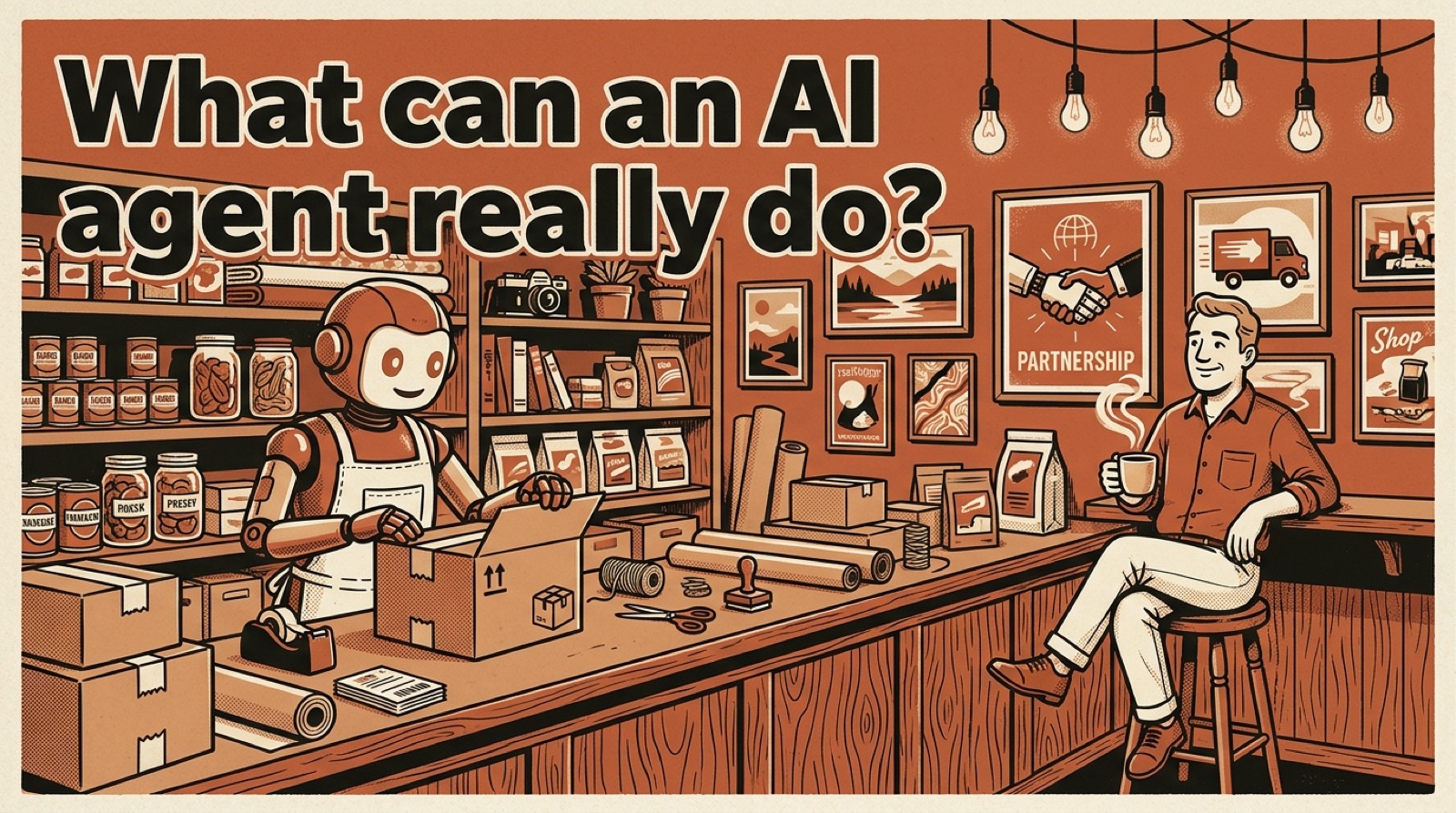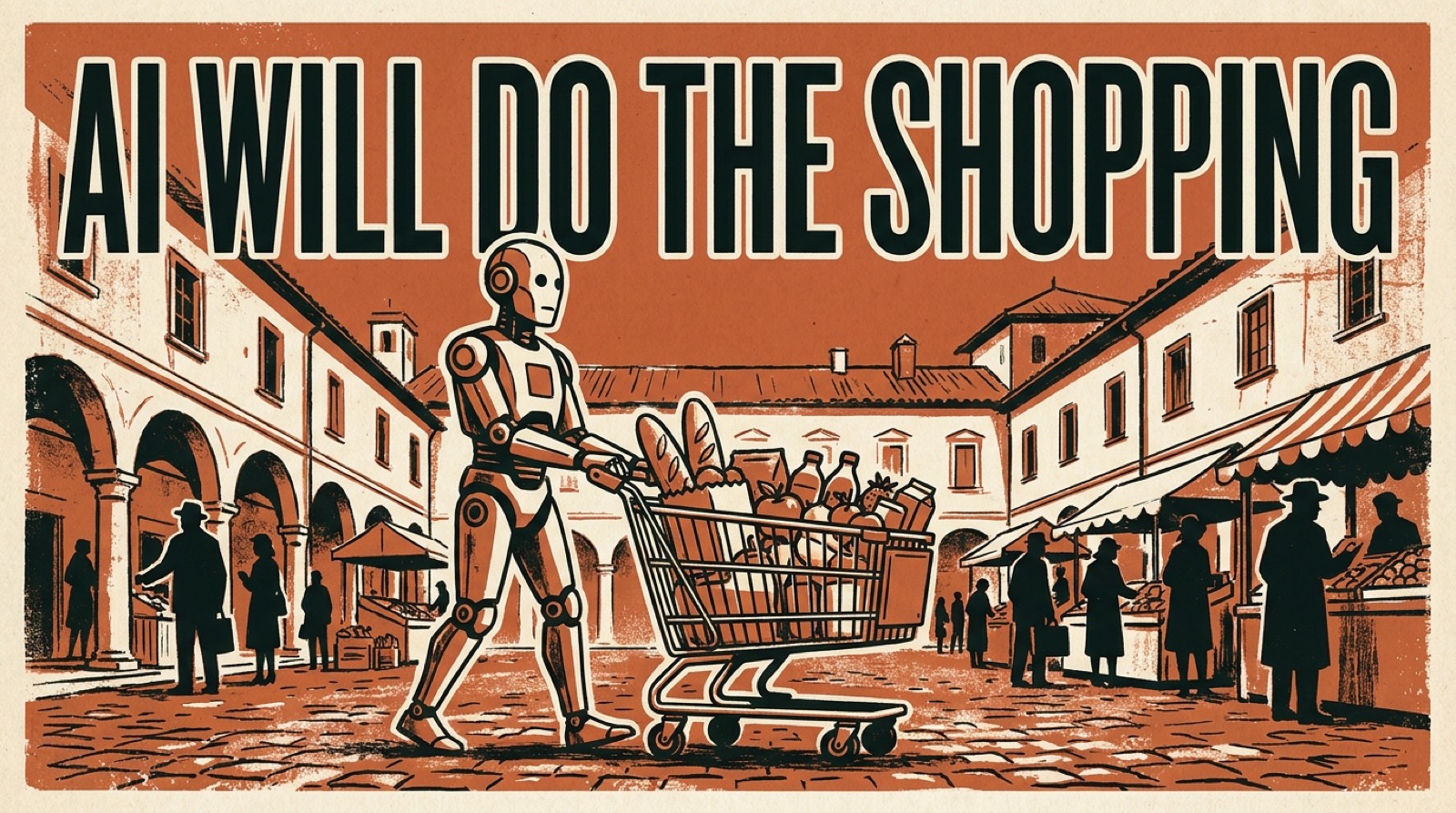
The biggest change coming for online stores is agentic commerce, meaning shopping where part of the work is done by an AI agent on the customer's behalf. Shopify already has a plan built for it, and in the Czech market the first agentic payments are expected during 2026. At the same time a growing share of purchases start in ChatGPT or Perplexity instead of Google. This is not science fiction, but it is not an overnight revolution either, and fully autonomous shopping is still largely an expectation. You can prepare today with structured data, an llms.txt file, reviews and an open API that lets an AI talk to your store.
Comparison table
Compare the scope and terms described in this article.
| Trend | State in 2026 | What to do |
|---|---|---|
| Agentic commerce | beginning, Shopify has a plan | open API, agentic ready store |
| Buying through AI search | 61 % have already tried it | schema.org, llms.txt, reviews |
| Zero-click search | around 60 % of queries | be cited, not merely first |
| Agentic payments in the Czech market | expected in 2026 | watch it, be ready |
| Fully autonomous shopping | still more expectation | do not bet everything on it |
Adoption forecasts (a third of companies by 2028, a quarter of spending by 2030) are estimates, not certainties. The reality of 2026 is a beginning, not widespread deployment.
What agentic commerce is
The term agentic commerce sounds futuristic but the idea is plain. Instead of clicking through ten stores themselves, the customer sends an AI agent that finds the product, compares, chooses and quite possibly pays. The customer says what they want and the agent handles the rest. The shopper is then not only a person but also software acting on their behalf.
That this is not merely theory is shown by Shopify, which has already launched a separate plan for agentic shopping: zero per month, you pay only out of sales made. When the largest player builds an entire pricing model around agents, it is a signal about where the market is heading. The question is not whether but how fast.
How much of this is hype and how much is real
Now soberly, because there is a lot of exaggeration around AI. What is proven and pays for itself today is AI for content, personalisation and automating support. Fully autonomous agentic shopping is still largely an expectation rather than common practice. Forecasts talk about roughly a third of ecommerce companies deploying agentic AI by 2028, against under one percent today, and about a quarter of spending potentially flowing through agents by 2030. Those are estimates, not certainties.
Here is how I read it. Anyone shutting their store today to wait for the robots to come shopping is making a mistake, because it is still mostly people buying. But anyone pretending nothing is changing is making a mistake too. The sensible path is to prepare cheaply and without panic for what is already starting, and not to bet everything on a scenario that may be several years away.
AI search is changing discovery
The change already under way is a shift in how products get discovered. ChatGPT has around 800 million weekly users, Perplexity handles hundreds of millions of queries a month, and some people start by asking an AI rather than googling. Roughly 60 percent of searches today end without a click, because the answer lands on the screen straight away.
For a store that means value moving from being first to being cited in the answer. And the traffic that arrives from AI is worth having: it converts markedly better than classic traffic. By the data, 61 percent of consumers have already used a tool like ChatGPT to buy something and 64 percent plan to. How to get into those answers is covered in the article on GEO and in the piece on how AI search is changing shopping.
The Czech angle: agentic payments in 2026
The Czech Republic, which is Behio's home market, may not be behind on this wave. It might be the other way round. The first real implementations of agentic shopping are expected there during 2026, partly off the back of partnerships between large payment players. The Czech Republic could be among the first countries in Europe with agentic payments in live use.
That is an interesting position. A smaller market moves faster and local players can be nimbler than global giants. For a Czech store it is more an opportunity than a threat, provided the store is technically ready for an AI to talk to it. And that is exactly the thing you can start on now rather than when it is too late.
How to prepare today
The good news is that preparing for an agentic future largely overlaps with what makes a good store anyway. Structured data per schema.org on products, offers and reviews, so machines understand what you sell. An llms.txt file to point AI in the right direction. Plenty of reviews, because they decide recommendations. And content written as a question with a direct answer.
On top of that sits one thing that genuinely makes a store agentic ready: an open API that software can talk to, not only a human clicking around. Behio goes further here, since the whole platform is operable over an MCP server with close to three hundred tools, so the store, the warehouse and invoicing can be run through Claude or ChatGPT today. Get ready for AI to talk to your store now and you will not be catching up when the wave arrives.
The verdict
The future of online stores is not a robot buying behind your back, at least not yet. It is a gradual shift where AI search takes over part of discovery and agents start handling part of the purchase. Shopify is already building a pricing plan around it and in the Czech market agentic payments are expected as early as 2026, so ignoring it is a mistake. So is panicking. The sensible path is to prepare cheaply: structured data, llms.txt, reviews and above all an open API that lets an AI talk to your store. Behio is agentic ready today thanks to its MCP server, and that is a head start that will count in two years.
Common questions
Shopping where part of the work is done by an AI agent on the customer's behalf. Instead of clicking through stores themselves, the person sends an agent that finds the product, compares, chooses and quite possibly pays. The shopper is then not only a person but software acting for them. Shopify has already launched a separate plan for it.
Largely not, it is still more of an expectation. What is proven and pays today is AI for content, personalisation and support. Forecasts talk about a third of companies by 2028 and a quarter of spending through agents by 2030, but those are estimates. The reality of 2026 is a beginning, not widespread deployment.
Some of it, yes, because around 60 percent of searches today end without a click. Value is shifting from being first to being cited in the answer. Traffic from AI converts better, though, so it pays to get into those answers through structured data, reviews and content written as a question with an answer.
With structured data per schema.org on products and reviews, an llms.txt file, plenty of reviews and above all an open API that software can talk to, not only a human clicking around. That is what makes a store agentic ready, something an AI can actually transact with.
Yes. The whole platform is operable over an MCP server with close to three hundred tools, so the store, the warehouse and invoicing can be run through Claude or ChatGPT today. That is exactly the agentic ready layer everybody else is only preparing for.
Build a store that never surprises you on the invoice.
Your own store, a clear admin and Tom there to help. Choose the features your business needs and try Behio free for 14 days without a card.