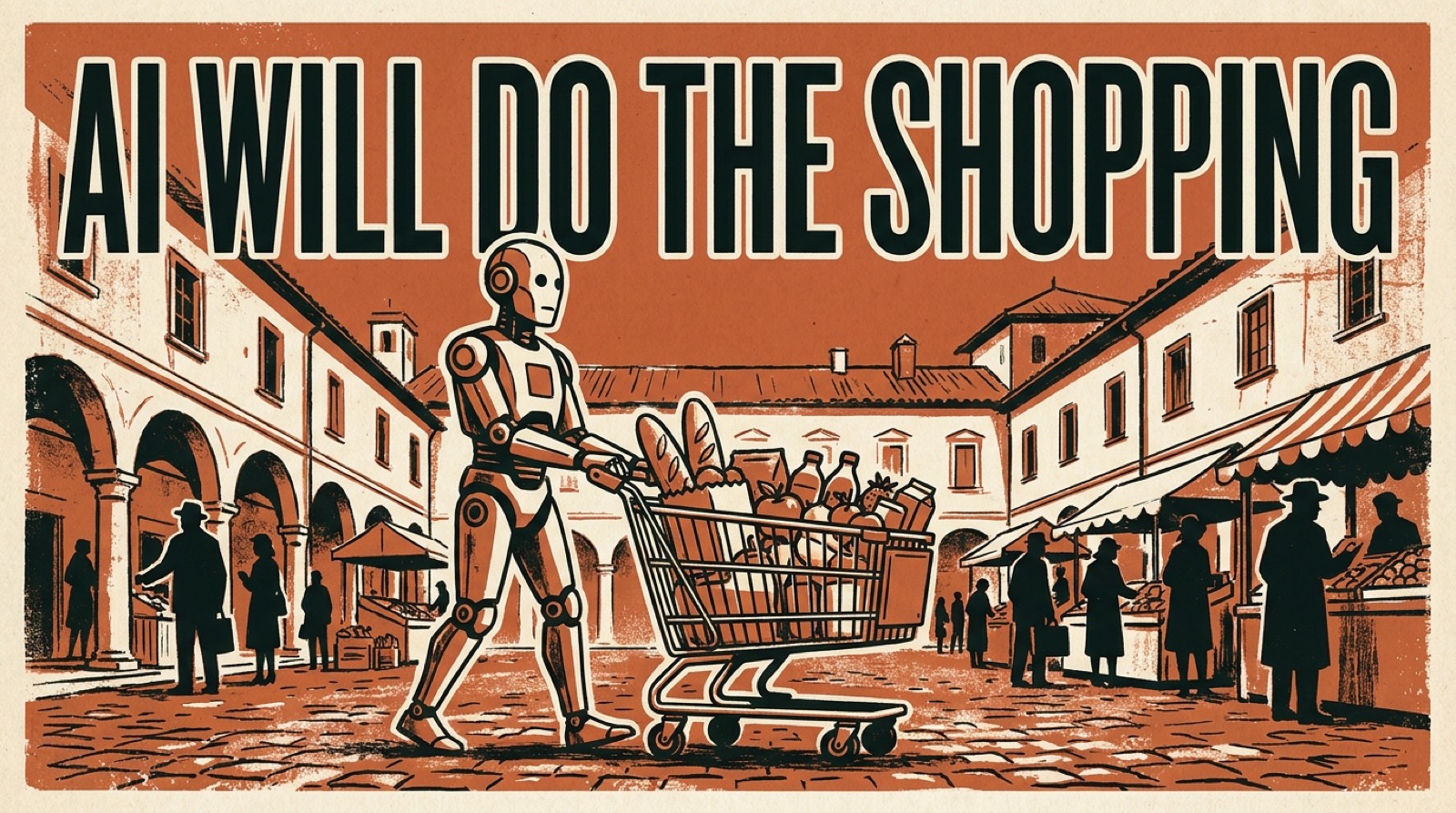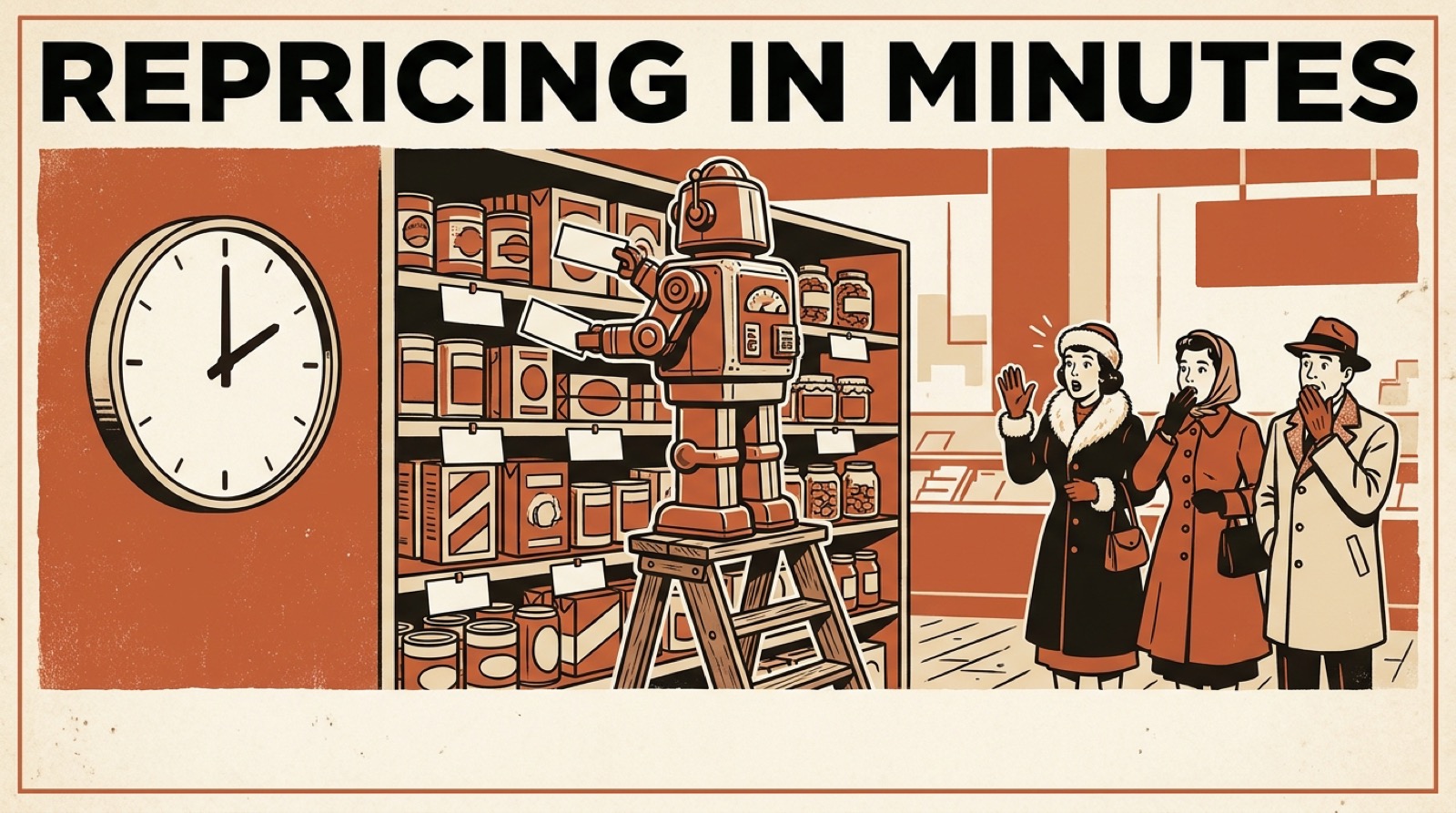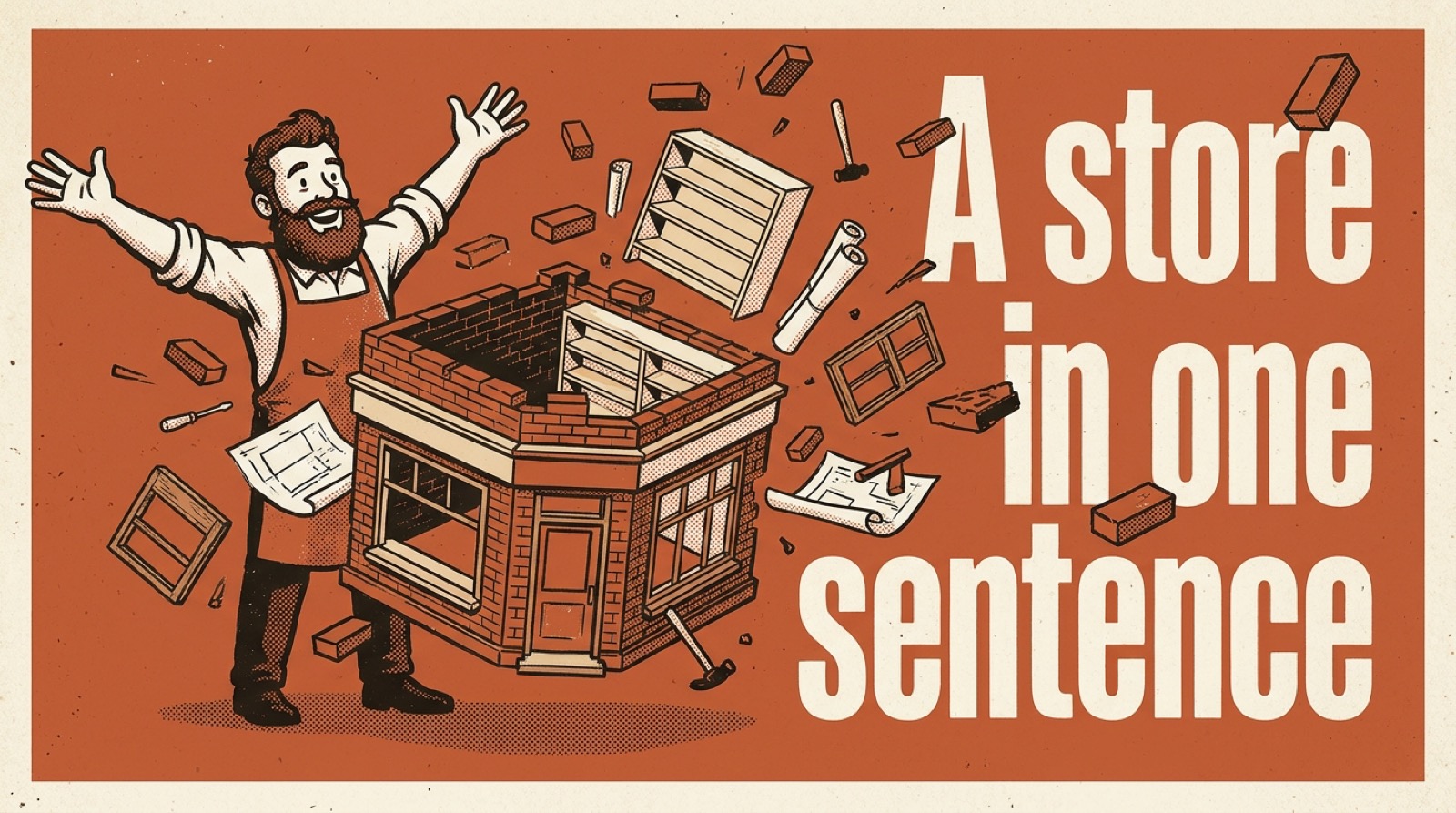
The AI builder in Behio takes your description in a sentence and builds a real store in agentic phases: the home page first, then the product detail, then categories and finally the cart and checkout. What you get is not a template locked inside a platform but genuine Next.js code wired to your catalogue and the public API, and you can export it and host it yourself. The SEO and GEO groundwork comes with it, meaning structured data, an llms.txt file and ecommerce events for GA4. The builder is currently in closed access for a group of merchants, a public opening is planned.
Comparison table
Compare the scope and terms described in this article.
| What the builder generates | What that includes |
|---|---|
| Home page | hero, sections and store navigation |
| Product detail | gallery, variants, add to cart |
| Categories and catalogue | listings and filters wired to the API |
| Cart and checkout | the whole buying flow through to the order |
| SEO and GEO groundwork | structured data, llms.txt, GA4 events |
The builder works agentically in phases. The output is real Next.js code wired to your catalogue and the public API, not a locked template.
From a sentence to a working store
Imagine that instead of picking a template, dragging blocks around and configuring twenty screens, you simply write down what you sell. Something like I sell hand poured candles and diffusers, I want a calm minimal shop. And a short while later you are looking at a working store with a home page, categories, products and a cart.
That is how the AI builder works. It is not an image generator or a pretty mockup you then have to rebuild. It is a tool that takes your brief and builds a real store wired to a catalogue and a checkout. And because that sounds almost too good, let us take apart what is going on underneath.
How an agentic build runs in phases
The builder does not conjure everything at once in a single trick. It works agentically, in phases that build on each other and assemble the store as they go. The home page comes first, then the product detail, then categories and listings, and finally the cart and the whole buying flow through to checkout.
There is a reason for that order. Each phase stands on the one before it, so the result holds together instead of being a random collage of components. You watch the progress in a live preview, the build runs in an isolated environment, and when you want to reach into the code there is a full editor right in the browser.
Everything that gets generated
The output is not just a look. The builder generates a catalogue with products and categories, a working cart and checkout, meaning the entire flow from browsing to a completed order. That is the difference from tools that produce a handsome visual layer and leave you to bolt the commerce logic on afterwards.
Before launch, check metadata, structured data, indexing and captured tracking events on the actual site. The technical foundation helps with maintenance but guarantees no ranking or AI recommendation. The store AI Builder is in closed access.
Your code, no lock-in
This is the most important and most overlooked detail, in my view. The generated store is real Next.js code, not a template sealed inside a platform. You can export it and host it yourself. The store and the code are yours.
Which means you are not tied to one provider in a way that makes leaving expensive. With the usual site builders, leaving hurts precisely because you own the content but not the code. Here you own both. To me that is the fundamental difference between renting a shop and actually owning one.
Where this stands today: closed access
To be honest about it, the builder is not open to everyone yet. It runs in closed access for a group of merchants and more than 300 stores have already been created this way. A public opening is planned.
There is a reason for the closed phase. Generating a store consumes real computing resources and we want the economics and the quality of the output to hold up before we open the doors wide. Anyone who wants to get their hands on the platform for real in the meantime can go the route of the fourteen day trial with a real domain and real orders.
What you get on top
A generated store is not the end, it is the beginning. Running on top of it is Tom, the AI partner, who does not merely advise on the platform but operates it, from setting up promotions through booking stock in to pulling reports. We have written up separately everything AI handles in the day to day running of a store.
Behio Analytics connects captured traffic events with orders recorded by the platform. Cookieless measurement does not mean every visitor is captured; event completeness and source attribution depend on setup, consent and available data. Use those events to configure smart offers within supported rules and your plan.
The verdict
An AI builder that puts together a store from one sentence is not a marketing trick, provided it generates a real store rather than a preview. In Behio what appears, agentically and in phases, is genuine Next.js code with a catalogue, a cart, a checkout and the SEO and GEO groundwork, and it is yours, exportable, with no lock-in. It currently runs in closed access for a group of merchants, a public opening is planned. Personally I rate the most valuable part as not the flashy generation but the fact that an AI partner, analytics and smart offers are running on top of the store from the start.
Common questions
Yes. You describe what you sell and what kind of store you want, and the builder works agentically through phases to produce the home page, the product detail, categories and finally the cart with checkout. It is not a visual preview, it is a real store wired to a catalogue and the public API.
It is real Next.js code, not a template locked inside the platform. The store and the code are yours, you can export them and host them yourself. That is the fundamental difference from site builders where you own the content but not the code, which is what makes leaving expensive.
Before launch, check metadata, structured data, indexing and captured tracking events on the actual site. The technical foundation helps with maintenance but guarantees no ranking or AI recommendation. The store AI Builder is in closed access.
The builder is in closed access for a group of merchants for the moment, more than 300 stores have been created this way and a public opening is planned. In the meantime you can get your hands on the platform for real through the fourteen day trial with a real domain and real orders.
Behio Analytics connects captured traffic events with orders recorded by the platform. Cookieless measurement does not mean every visitor is captured; event completeness and source attribution depend on setup, consent and available data. Use those events to configure smart offers within supported rules and your plan.
Build a store that never surprises you on the invoice.
Your own store, a clear admin and Tom there to help. Choose the features your business needs and try Behio free for 14 days without a card.