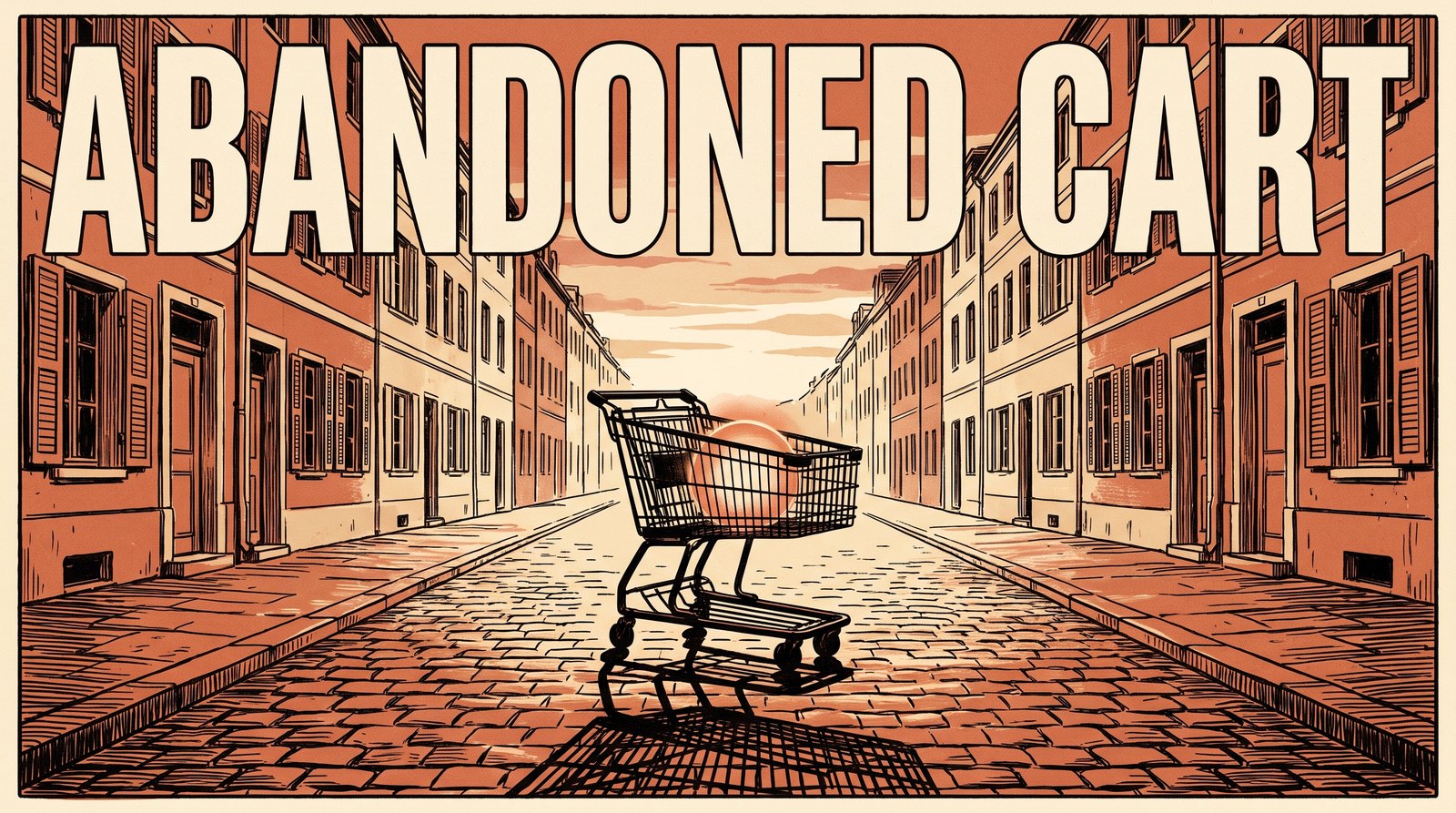
Average cart abandonment sits around 70 percent according to the Baymard Institute, and it has stayed there for over a decade. The main reasons are extra costs revealed only at the cart (39 percent), slow delivery, distrust at the payment step and forced account creation. What helps most is showing the total price including shipping up front, allowing purchase without an account, making the site faster, and sending an abandoned cart reminder. Baymard calculates that better checkout design alone can lift conversion by up to a third. Behio adds a recovery email and smart offers on top, meaning a discount that appears only to a returning visitor.
Comparison table
Compare the scope and terms described in this article.
| Reason for abandoning | Share (Baymard) | What to do about it |
|---|---|---|
| Unexpected costs at the cart | 39 % | Show price and shipping up front |
| Slow delivery | 21 % | Faster shipping, pickup points |
| Distrust at payment | 19 % | Reviews, security, familiar gateways |
| Forced account creation | 19 % | Allow purchase without an account |
| Long, complicated checkout | 18 % | Fewer steps and fewer fields |
| Too few payment methods | 10 % | Card, transfer, deferred payment, local habits |
Shares according to the Baymard Institute (aggregating 50 studies, updated September 2025), excluding the „just browsing" segment (43 %). Respondents could give more than one reason.
How many carts actually fall over
Here is the number that stings: around 70 percent of carts end without a completed purchase. The Baymard Institute aggregates this from fifty studies and the latest update, from September 2025, puts it at exactly 70.22 percent. Worse, that figure has hovered around seventy percent for a full decade, so no miracle trend is going to knock it down on its own.
It does not follow that seven in ten customers left because you got something wrong. A large share of people, around 43 percent, are browsing, comparing and saving for later, and you will not push those into a purchase. The interesting part is the remaining percentage, because that is where the fixable reasons live.
Why people walk away from a cart
Baymard asked people directly and the order of the answers is instructive. Extra costs revealed only at the cart lead comfortably, meaning shipping, taxes and fees the customer did not expect (39 percent). Then slow delivery (21 percent), distrust when entering card details (19 percent) and forced account creation (19 percent). Further down come a long and complicated checkout, a poor returns policy, site errors and too few payment methods.
Notice that most of those reasons are not about money. They are about surprise and friction. The customer has decided to buy, reaches the cart and something ambushes or delays them. A shipping cost they only saw at the end. An account they never wanted. A form with fifteen fields. These are the things you fix without giving up a point of margin.
What genuinely moves the number
Start with transparency. The total price including shipping belongs in front of the customer as early as possible, ideally on the product page or immediately in the cart, not in the final step. If you offer free shipping above a threshold, say so loudly, because it raises average order value at the same time.
The second lever is a checkout without friction. Allow purchase without registration, shorten the form, and offer the payment methods your market actually uses. That list is genuinely local: card and instant bank transfer travel everywhere, deferred payment is spreading fast, and cash on delivery still carries a serious share of orders across Central Europe while meaning almost nothing to a British or American shopper. Pick for the market you sell into rather than the one you read about.
Then watch your speed. Every extra second on mobile costs around 12 percent of conversion, and past three seconds of loading the bounce rate climbs towards fifty percent. Mobile is the majority of visits today, which makes this the single biggest opportunity on the list.
Baymard calculated that better checkout design alone can win a large store up to 35 percent higher conversion. That is not shaving a second off a page. That is a different league of revenue from the same traffic.
The reminder, and a smarter offer for someone coming back
Even after the best checkout, some people will leave. This is where the recovery email comes in, the automatic abandoned cart reminder. It is not about pestering anyone. Often the customer simply walked away from the computer and is grateful to come back when the link is to hand.
Why aim at the returning visitor in particular? Because the numbers are blunt about it. A returning customer converts at around 4.5 to 6 percent, while a first visit converts at 1 to 2 percent. Retention is a cheaper route to revenue than paying over and over for new people who mostly will not buy anyway. Somebody landing on the same product for the third time is gold from that point of view.
You can also work smarter than a blanket discount. A returning visitor who has come back to a product three times and still has not bought is a different case from a passer by. Blanketing everyone in discount is expensive and it eats your margin. Aiming it at the person who has demonstrated intent and is hesitating makes far more sense. That is exactly what smart offers in Behio are for, and we cover them in a separate article: the discount appears only to a returning visitor based on their behaviour, and it is tied to that person, so nobody can pass it on.
You only find the leak in the data
Without measurement you are treating the patient blind. You need to see the purchase funnel: how many people went from viewing a product to the cart, how many from the cart into checkout, and how many finished. Only when you know which two steps people are falling between do you know what to fix.
Behio Analytics connects captured traffic events with orders recorded by the platform. Cookieless measurement does not mean every visitor is captured; event completeness and source attribution depend on setup, consent and available data. Use those events to configure smart offers within supported rules and your plan. The purchase funnel helps identify steps where recorded visitors leave.
The verdict
Abandonment around 70 percent is not your fault, it is a constant of the market. The difference is what you do with the remainder, the people who wanted to buy and were put off by something. Show the total price including shipping up front, let people buy without an account, make the site faster, and send the abandoned cart reminder. Do not hand out discount by the bucket, aim it at whoever is coming back and hesitating. Above all, measure the funnel, because without it you are treating the patient blind. Most of those fixes cost you nothing in margin.
Common questions
Around 70 percent according to the Baymard Institute, with the latest data from September 2025 giving 70.22 percent. The figure has hovered around seventy percent for a decade. About 43 percent of those people are only browsing and comparing, and you will not push them into a purchase.
Unexpected extra costs revealed only at the cart, meaning shipping, taxes and fees the customer did not expect (39 percent according to Baymard). The fix is simple: show the total price including shipping as early as you can, not in the final step.
Allow the purchase without registration. Forced account creation is one of the main reasons carts are abandoned (19 percent). You can offer the account after the purchase as a benefit rather than putting it in the way beforehand.
Yes. Some people simply walked away from the computer and will come back when the link is to hand. In Behio the recovery email is native. More effective than a blanket discount, though, is a targeted offer for a returning visitor who has shown genuine intent.
Behio Analytics connects captured traffic events with orders recorded by the platform. Cookieless measurement does not mean every visitor is captured; event completeness and source attribution depend on setup, consent and available data. The purchase funnel helps identify steps where recorded visitors leave.
Build a store that never surprises you on the invoice.
Your own store, a clear admin and Tom there to help. Choose the features your business needs and try Behio free for 14 days without a card.